ROCOES Optical
HOME > Glass
HOME
>
Glass
>
Thick Glass
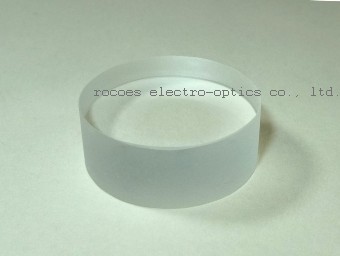
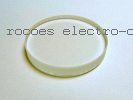
Thick Glass Substrates
Thick optical glass substrates (also known as thick plate glass or heavy-duty optical glass) are robust glass plates manufactured in thicknesses of 5mm and above, designed for high structural load and pressure resistance.
Functions:
Delivers outstanding mechanical rigidity, high deflection resistance, and structural stability under high pressure or thermal stress while maintaining excellent broadband light transmittance and high optical clarity across its entire volume.
Applications:
Stage viewports
Protective load-bearing windows
Sight glasses for reaction vessels
Heavy-duty optoelectronic equipment bases
High-pressure industrial instrument viewports
Optical testing and inspection carrier plates
#Borosilicate12 #Borosilicate20 #Infomation and Notes
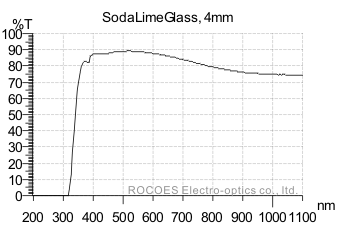
ITEM NO:Glass
Spectral Characteristics
Tave>85% @ 400-680nm
Physical Characteristics
Thickness: 5~12mm
Square: 100x100 - 800x800mm
Round: Dia100 - 800mm
Resistant Temperature
150℃
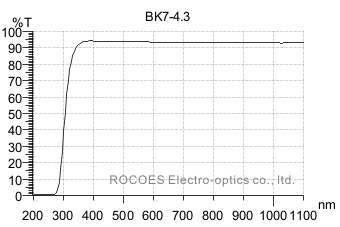
ITEM NO:BK7
Spectral Characteristics
Tave>90% @ 400-700nm
Physical Characteristics
Thickness: 5~12mm
Square: 20x20 - 600x600mm
Round: Dia200 - 600mm
Resistant Temperature
150℃
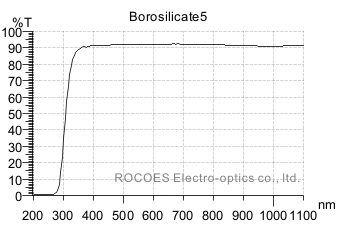
ITEM NO:Borosilicate5
Spectral Characteristics
Tave>91% @ 380-1100nm
Physical Characteristics
Thickness: 5 +/-0.3mm
Square: 20x20 - 600x600mm
Round: Dia200 - 600mm
Resistant Temperature
450℃
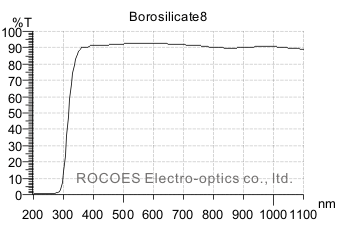
ITEM NO:Borosilicate8
Spectral Characteristics
Tave>90% @ 380-1100nm
Physical Characteristics
Thickness: 8.0 +/-0.3mm
Square: 100x100 - 600x600mm
Round: Dia100 - 500mm
Resistant Temperature
450℃
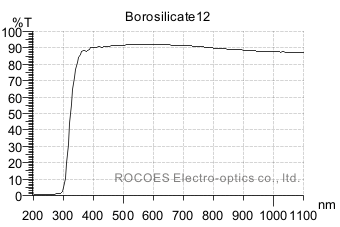
ITEM NO:Borosilicate12
Spectral Characteristics
Tave>90% @ 380-1100nm
Physical Characteristics
Thickness: 12 +/-0.3mm
Square: 20x20 - 600x600mm
Round: Dia200 - 600mm
Resistant Temperature
450℃
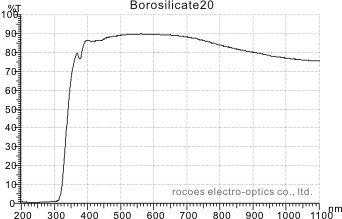
ITEM NO:Borosilicate20
Spectral Characteristics
Tave>88% @ 380-1100nm
Physical Characteristics
Thickness: 20 +/-0.3mm
Square: 20x20 - 600x600mm
Round: Dia200 - 600mm
Resistant Temperature
450℃
Information and Notes
1. Due to increased optical path length through greater substrate thickness, thick glass exhibits slightly lower total transmittance and higher internal light absorption compared to thinner glass. Internal inclusions and surface defect tolerances comply with commercial optical plate standards.
2. Custom geometrical profiles, non-standard thicknesses, CNC edge grinding, and precision drilling are available to meet OEM integration requirements.
3. Spectral transmittance curves represent measurements at normal incidence (0° angle of incidence). Non-transmitted light within the spectrum is absorbed by the physical optical properties of the glass substrate.
4. For applications requiring maximized light throughput, please refer to our Anti-Reflective (AR) Coating Solutions.
5. To enhance mechanical strength and thermal shock resistance, please explore our Tempered Glass Solutions.
6. Website specifications are provided for reference only. Final production and delivery comply with mutually agreed engineering specifications.